
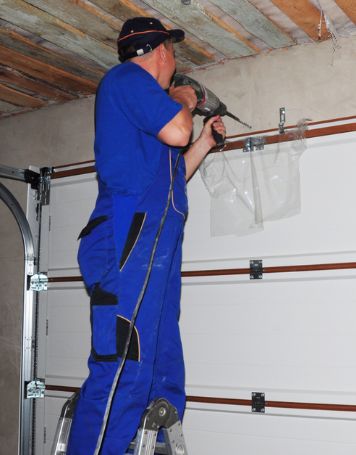
Your garage door is one of the most heavily used mechanical systems in your home opening and closing hundreds of times each year. Over time, wear and tear inevitably leads to problems. Whether it’s a door that refuses to budge, makes unsettling noises, or reverses unexpectedly, understanding the root causes can save you time, money, and frustration.
At AAAA Quality Garage Door, we’ve helped hundreds of homeowners in Oakley and the greater East Bay area diagnose and fix garage door issues quickly. This guide consolidates our most common service calls into one comprehensive resource, so you can take action early and keep your garage door running safely for years to come.
1. Broken Garage Door Springs
Broken springs are arguably the most common and most urgent garage door repair issue we encounter. Springs are responsible for counterbalancing the weight of the door, making it possible for the opener (or your own arms) to lift it with minimal effort. When a spring breaks, the door effectively becomes too heavy to move.
Problem 1
Broken Torsion or Extension Springs
There are two main spring types: torsion springs (mounted horizontally above the door) and extension springs (mounted on either side). Torsion springs are more common in modern residential doors and last longer, but both are subject to metal fatigue over thousands of cycles.
Common Causes
- Normal wear (10,000 cycle lifespan)
- Rust or corrosion weakening the coil
- Improper spring tension/sizing
- Cold weather causing metal to contract
Solutions
- Always call a professional, never DIY
- Replace both springs simultaneously
- Upgrade to high-cycle springs (25,000+)
- Apply lubricant annually to prevent rust
2. Misaligned or Damaged Tracks
The tracks guide your garage door up and down on a smooth, consistent path. When they become bent, warped, or misaligned, the door can stick, move unevenly, or derail entirely. This is one of the most frequent reasons homeowners call for same-day garage door repair.
Problem 2
Bent, Warped, or Off-Track Door
Common Causes
- Accidental impact (car bumping the door)
- Loose track mounting bolts
- Worn rollers creating excess side pressure
- Debris lodged in the track channel
Solutions
- Tighten mounting bolts along the track
- Use a rubber mallet to gently tap minor bends
- Clear the track of dirt and obstructions
- Replace severely bent tracks professionally
Minor misalignments can sometimes be corrected by carefully loosening the track mounting hardware, tapping the track back into alignment, and re-tightening. However, a door that has completely derailed or tracks that show visible bending should be inspected and repaired by a professional to avoid creating a safety hazard.
3. Faulty Safety Sensors
Modern garage doors are equipped with photo-eye sensors (also called photoelectric sensors) near the base of the door frame. These sensors beam an invisible infrared light across the door opening. If anything interrupts that beam a child, a pet, a stray box, the door automatically reverses. When sensors malfunction, the door may refuse to close or reverse unexpectedly without any obstruction.
Problem 3
Sensors Not Aligned or Blocked
Common Causes
- Sensors knocked out of alignment
- Dirty or fogged sensor lenses
- Direct sunlight interfering with beam
- Damaged wiring or connections
Solutions
- Wipe lenses clean with a soft cloth
- Realign sensors (indicator lights turn solid)
- Check wiring for damage or loose connections
- Add a shade around sensors if sunlight is an issue
The U.S. Consumer Product Safety Commission (CPSC) has required auto reverse sensors on all residential garage door openers sold after January 1, 1993. If your sensors are not functioning, your door is not compliant and poses a real safety risk. Learn more about garage door safety standards at the CPSC website.
4. Worn-Out Rollers
Rollers are the small wheels that ride inside the tracks and allow the door to glide smoothly. They’re easy to overlook during routine maintenance, but worn or cracked rollers are a leading cause of noisy, jerky door operation and eventually, a door that jumps the track entirely.
Problem 4
Squeaking, Grinding, or Jerky Movement
Common Causes
- Plastic rollers wearing out
- Lack of regular lubrication
- Debris or dirt buildup in rollers
- Cracked or chipped roller stems
Solutions
- Lubricate with silicone-based spray every 6 months
- Replace plastic rollers with nylon or steel
- Inspect and replace rollers every 5-7 years
- Avoid WD-40, it attracts dirt
5. Garage Door Opener Malfunctions
The garage door opener is the motorized brain of your entire system. Problems can range from a dead remote battery (a surprisingly common cause of panic) to a burned-out motor or stripped gear. Understanding the scope of the issue determines whether it’s a $10 fix or a full residential garage door system upgrade.
Problem 5
Opener Not Responding or Making Noise
Common Causes
- Dead or weak remote batteries
- Opener unplugged or tripped breaker
- Stripped drive gear inside the unit
- Worn motor or capacitor failure
- Remote not synced to opener
Solutions
- Replace batteries first (most common fix)
- Check outlet and circuit breaker
- Reprogram remotes using opener button
- Replace stripped gears (often DIY-friendly)
- Upgrade opener if motor is failing
If your opener is more than 15 years old, it may lack modern safety features like rolling-code technology, which prevents thieves from recording and replaying your opener signal. Upgrading to a new opener is a wise investment in both convenience and home security. Check out our garage door products for current options.
6. Damaged or Dented Panels
Dented panels are mostly a cosmetic issue, but deep or multiple dents can affect the structural integrity of the door particularly on lightweight steel doors making it harder to seal properly or operate smoothly.
Problem 6
Dented, Cracked, or Warped Door Panels
Common Causes
- Vehicle impact (backing into the door)
- Severe hailstorm or weather damage
- Age-related warping (wood doors)
- Accidental strikes from tools/equipment
Solutions
- Minor dents: use a plunger or heat gun
- Severe damage: replace individual sections
- Multiple panel damage: full door replacement
- File an insurance claim if weather-related
Many homeowners are surprised to learn that individual door sections can be replaced without replacing the entire door. This can be a cost-effective option when damage is isolated to one or two panels. View our garage door panel options or call us for an assessment.
7. Damaged or Worn Weatherstripping
The weatherstripping around and beneath your garage door creates a seal that keeps out rain, wind, pests, and drafts. Over time, it dries out, cracks, or pulls away from the door frame letting the elements in and driving up your energy bills.
Problem 7
Drafts, Water Intrusion, or Pest Entry
Common Causes
- Rubber drying out over time (5–7 years)
- UV damage causing cracking
- Physical damage from door closing
- Poor original installation
Solutions
- Inspect seals annually; replace when cracked
- Bottom seal: easily replaced (DIY-friendly)
- Side/top seals: peel-and-stick or screw-in strips
- Ensure threshold seal is level with floor
8. Broken or Frayed Cables
Lift cables work in tandem with the springs to support and guide the door. A broken cable causes the door to hang crooked, drop unexpectedly on one side, or fail to open at all. Like springs, cables are under significant tension and require professional attention.
Problem 8
Door Hangs Crooked or Won’t Open Evenly
Common Causes
- Spring breaks causing cable snap
- Cable slipping off the drum
- Cable rust or fraying over time
- Improper cable tension adjustment
Solutions
- Do not operate a door with a broken cable
- Call a professional for cable replacement
- Replace cables and springs together if both worn
- Inspect cables annually during maintenance
Preventive Maintenance: How to Avoid These Problems
The good news is that the majority of garage door problems are preventable with regular maintenance. We recommend a biannual inspection routine—every spring and fall—along with an annual professional tune-up. Read our full guide: How to Maintain Your Garage Door and How Often Should You Service Your Garage Door?
Your 6-Month Maintenance Checklist
✔️ Visually inspect springs, cables, and rollers for wear or damage
✔️ Lubricate springs, rollers, hinges, and tracks with silicone-based spray
✔️ Test the auto-reverse feature: place a 2×4 on the ground and close the door—it should reverse on contact
✔️ Check sensor alignment and clean lenses with a dry cloth
✔️ Tighten any loose bolts or hardware along the track and door sections
✔️ Test balance: disconnect the opener and manually lift the door halfway—it should stay in place
✔️ Inspect weatherstripping for cracks, gaps, or detachment
✔️ Check the bottom seal for uniform contact with the floor
✔️ Listen for unusual noises during operation (grinding, squeaking, popping)
✔️ Verify the emergency release cord operates correctly
Not sure if your door needs service? Read our post on Signs You Need Garage Door Repair for a detailed breakdown of warning symptoms. For commercial properties, our commercial garage door services include scheduled maintenance programs.
Need Garage Door Repair in Oakley, CA?
AAAA Quality Garage Door is a locally owned, family business serving Oakley and the East Bay. We offer fast, honest, and affordable repairs—from broken springs to full door replacements.
Frequently Asked Questions
Why won’t my garage door open or close?
The most common reasons a garage door won’t open or close include broken torsion or extension springs, dead remote batteries, misaligned safety sensors, or a tripped circuit breaker. Check your remote batteries and sensor alignment first. If the springs appear broken, contact a professional immediately—spring replacement is dangerous without proper tools and training.
How long do garage door springs last?
Can I fix a broken garage door spring myself?It is strongly discouraged. Garage door springs are under extreme tension—enough to cause serious injury or death if mishandled. Spring repair and replacement should always be performed by a certified garage door technician using the proper tools and safety protocols.
Why is my garage door making a loud grinding or squeaking noise?
Grinding or squeaking noises usually indicate worn rollers, lack of lubrication, or loose hardware. Apply a silicone-based lubricant to the tracks, rollers, hinges, and springs every 6 months. If the noise persists after lubrication, a roller or bearing replacement may be needed.
How do I realign my garage door sensors?
Sensors should be mounted no higher than 6 inches from the ground, facing each other on opposite sides of the door. Check that both indicator lights are solid (not blinking). Loosen the mounting bracket screws, adjust until the lights are steady, then retighten. Clean any dirt or debris off the lenses with a soft, dry cloth.
How often should I service my garage door?
Garage doors should be professionally serviced at least once a year. Basic homeowner maintenance, visual inspection, lubrication, and hardware tightening can be done every 6 months. Regular maintenance can prevent costly repairs and extend the life of your door by many years.
What should I do if my garage door comes off its tracks?
Do not attempt to force the door open or closed if it has come off its tracks, as this can cause additional damage. Manually disengage the opener using the red emergency release cord, and call a professional garage door repair company. Attempting to re-track a door yourself can be dangerous.